
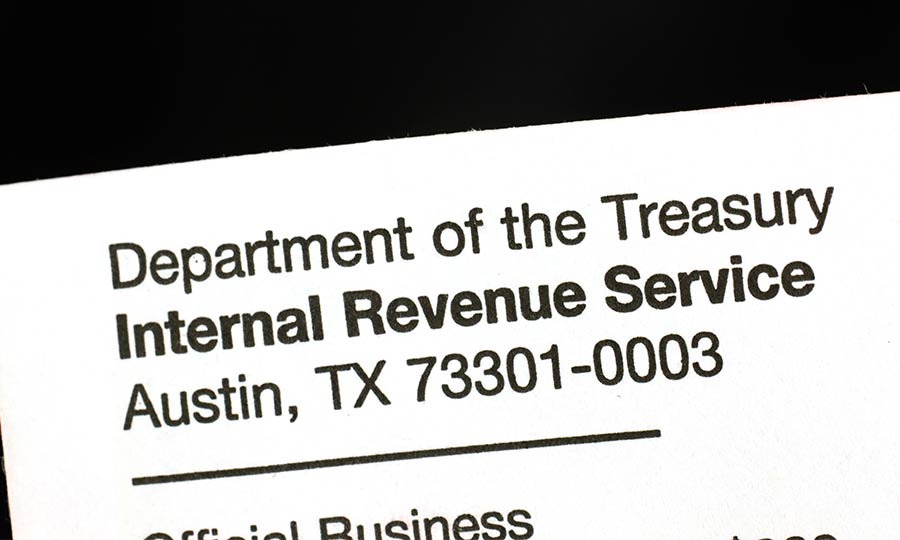
Few things make your stomach drop faster than opening the mailbox and seeing a letter from the IRS.
Your mind starts racing. “Am I in trouble?” “Are they going to garnish my wages?” “Can I ignore this and hope it goes away?”
If you received a letter from the IRS, don’t panic, but don’t ignore it. It may be a request for information, a balance-due notice, a proposed tax change, or a warning that collection action could be coming.
The key is knowing what type of notice you received, what deadline applies, and what your options are before the situation gets worse.
At PJN Tax Solutions we help taxpayers facing IRS tax debt. If you still have questions after reading this blog, or need help resolving your tax issue, contact us.
Why Did the IRS Send You a Letter?
The IRS sends letters for many reasons. If you owe back taxes, the letter may be about a balance due, penalties and interest, missing tax returns, a proposed tax adjustment, or possible collection enforcement.
For taxpayers with IRS debt, most letters are usually connected to one of three things:
- You owe money.
- The IRS wants more information.
- The IRS is getting ready to take action.
That action could include filing a federal tax lien, issuing a levy against your bank account, garnishing your wages, or applying future refunds to your tax debt.
That does not mean every IRS letter is an emergency. But it does mean every IRS letter deserves attention.
The Biggest Mistake: Ignoring the Letter
Many taxpayers ignore IRS notices because they are scared, embarrassed, overwhelmed, or simply do not know what to do.
Unfortunately, ignoring the IRS almost always makes the problem worse.
IRS letters usually include deadlines. If you miss those deadlines, you may lose important rights. You may also give the IRS the ability to move forward with collections.
The IRS will not forget about the debt just because you do not respond. Penalties and interest may continue to grow, and the notices may become more serious.
Not All IRS Letters Are the Same
One reason IRS notices are so confusing is that they often look similar, even though they mean very different things.
Some letters are balance-due notices. Others may relate to missing returns, underreported income, audit issues, math errors, or final collection warnings.
That is why it is important to read the notice carefully and identify:
- What tax year is involved?
- How much does the IRS say you owe?
- Is the IRS asking for payment, documents, or a response?
- Is there a deadline?
- Does the letter mention lien, levy, garnishment, or appeal rights?
If you are unsure what the letter means, do not guess. Getting the notice reviewed can help you understand whether you need to respond immediately and what steps to take.
You May Have Options
Receiving an IRS letter does not mean you have no choices.
Depending on your situation, you may qualify for an installment agreement, penalty relief, currently not collectible status, a partial payment arrangement, or an Offer in Compromise.
The right option depends on your income, expenses, assets, tax balance, filing history, and how much time the IRS has left to collect.
Sometimes the best solution is not the first one the IRS offers. That is why it is important to get professional guidance before you make a decision, call the IRS, or sign up for a plan.
Take the IRS Letter Seriously — But Don’t Face It Alone
If the IRS sent you a letter, you should be concerned enough to take action, but not so worried that you freeze.
The worst thing you can do is toss the letter in a drawer and hope the problem disappears. The best thing you can do is find out exactly what the notice means, what deadlines apply, and what options are available to protect yourself.
The sooner you deal with the issue, the more choices you may have.
If you received an IRS letter and owe back taxes, we can help you understand what it means and what to do next.
Contact PJN Tax Solutions today for a FREE, no-obligation consultation. We’ll review your IRS notice, explain your options, and help you take the right steps to resolve your tax debt and protect your income, bank account, and peace of mind.